

What retailers can expect in 2023
Many of you will be grateful to say goodbye to 2022, with price hikes, strikes, consumer uncertainty, political instability, and the ongoing consequences of Brexit to navigate.
But how are we feeling about going into 2023, when many of these challenges remain? The British Retail Consortium predicts that retail sales will grow between 2.5% and 3.5% in 2023, with sales picking up in the latter half of the year as inflation slows and consumer confidence returns. While low sales growth may not be good news, there are some emerging trends ahead that provide reasons for some cautious optimism.
A resurgence in high-street retail?
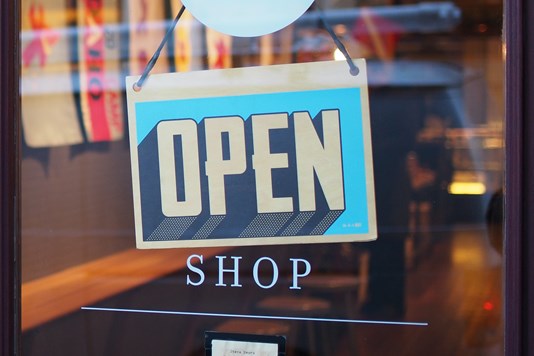
For more than two decades online retail has been sucking business from the high street, offering unrivalled product choice and deep discounts at the click of a button. But has the slowdown of high-street shopping been exaggerated? Anecdotally our customers have been telling us that things are improving on the high street. Data reveals that footfall in December 2022 has increased year on year with Boxing Day shoppers increasing by almost 40%.
While pre-Christmas footfall rises may have been partly prompted by Royal Mail strikes and fears about the reliability of deliveries, there are other drivers for people returning to bricks and mortar retail. Coming out of the pandemic, many shoppers began to appreciate the social experience of in-person shopping again. High streets in smaller towns or suburbs have especially benefited as remote workers spend more time and money in their local communities. And consumer awareness around the environmental and economic gains from shopping locally is also helping to shift behaviour.
But consumers will demand more from in-store experiences
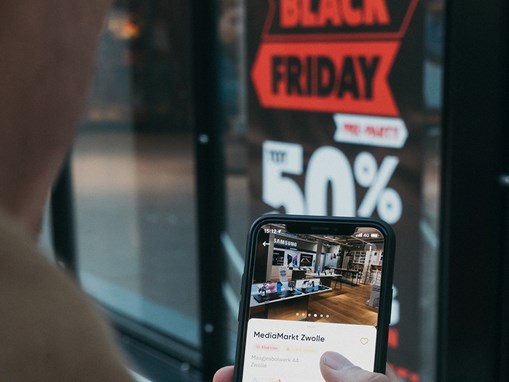
While we can see green shoots of recovery for the high street, last year saw the highest number of shop closures in five years. Success for bricks and mortar retail will increasingly lie in creating unique experiences that give shoppers a reason to leave their house. Thriving businesses will capitalise on the advantages that in-person shopping yields: creative visual merchandising that invites tactile interactions; unique product choices and abundant stock availability to inspire instant purchases; exceptional customer service that prompts conversation. We may be biased, but we believe books can contribute well to enhancing in-store experiences in all these ways.
Retail expectations will vary across the generations, with older age groups still placing more trust in bricks and mortar, and younger consumers seeking enjoyment and experiences or to be part of an event.
Lines will blur between retail and other types of business
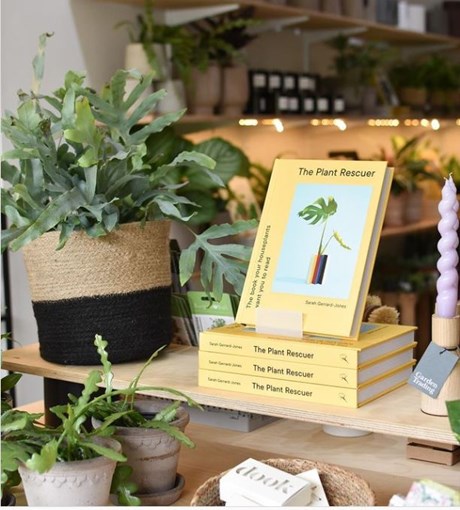
Not all our customers are retailers. We see many different types of businesses, for example restaurants or spas, making the space to sell books and other products. In 2023, as businesses seek to diversify income streams, we may see more retail popping up in different spaces, and likewise more shops expanding beyond retail to offer coffee shops, juice bars or event space in their venues.
Will “revenge tourism” boost retail footfall?
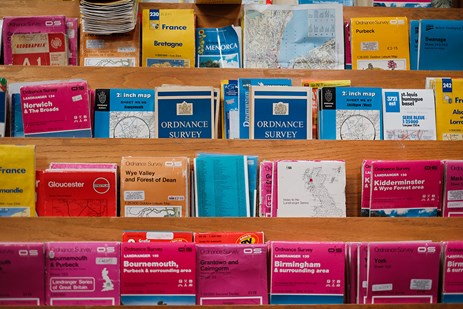
There’s a lot of speculation that so-called revenge tourism will continue in 2023, after a few years of pandemic travel restrictions and the ensuing caution about overseas trips. This is great news for customers based in tourist destinations or for destination and heritage retailers, who may benefit from more visitors to the UK.
But with inflation still having an impact, many UK families are reviewing their holiday plans in 2023. Statistics from Retail Economics-HyperJar reveal that 70.7% of consumers will make changes to this year’s holiday, including picking a cheaper destination in the UK or abroad. This could mean more staycations for many British households.
Even more focus on sustainability
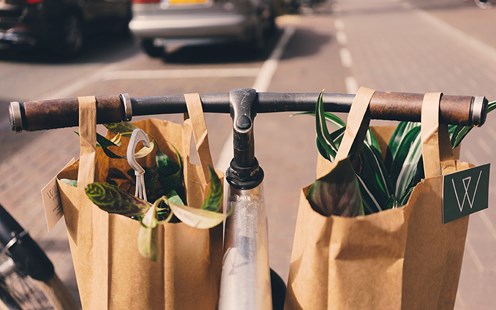
In 2023, we can expect to see environmental concerns to rise to the top of the agenda across all areas of our lives. We know many of our customers are making this a key strategic area for their business, ensuring their products and practices meet sustainability best practice. More customers will be demanding greater transparency around sustainability and will be especially sensitive to “greenwashing.” At Bookspeed we’re always striving to reduce our environmental impact. You can read our green policy to find out what we do, and we’re always open to feedback and ideas to improve.
Let us help
If you’d like to chat about how books can contribute to your retail strategy this year, we’d love to have a conversation. Just drop us a line.