

Exploring the world with Children: Oceans & Rivers
Why is the ocean important?
The short answer is that the ocean covers around 70% of the surface of the Earth. It plays a huge part in the overall environment by soaking up heat energy and distributing it more evenly across the world. It is also one of the key absorbers of CO2.
We live on land and so do lots of other animals. Our oceans are an entirely different ecosystem and, after all, our planet is a ‘water’ planet. In some places our ocean is deeper than some of our tallest mountains.
How does the ocean soak up energy, though?
We can teach our kids about this using a water balloon. Click this link to take you a short YouTube video from Oceans of Climate Change: https://youtu.be/WNpzc3SLkxs
The ocean is great at absorbing the excess heat in the world. In fact, the top few metres of the ocean stores as much heat as the entire atmosphere. The thing is, as the planet warms, it is the ocean which takes most of that extra energy. If the ocean gets too warm, then the plants and animals which live there must adapt or sadly won’t survive.
When we think about the ocean’s role in regulating CO2, it is the same as on land – the ocean plants absorb CO2 and give out oxygen. If it weren’t for the ocean, we would be in a much worse off position with climate change, as it soaks up about a quarter of the CO2 we humans create on land by burning fossil fuels. However, the more CO2, the more acidic the ocean becomes, which means the ocean and the life within it is paying the price. The pH balance of the ocean is very important. The alkalinity is important for maintaining a delicate balance needed for animals – such as with mussels making their protective shells. If the water is too acidic, these shells won’t be as strong. Coral is also affected, since their skeletons are made of a similar shell-like material.
What about rivers?
Rivers are a really important part of the water cycle. They are like a drainage system carrying water and nutrients to provide food and drink for animals. Rivers are freshwater and run to the oceans, which are the saltiest bodies of water. The amount of salt in the ocean affects our currents, as salty water is heavier. This leads us into icebergs.
When saltwater freezes from the ocean, the water (or ice) can’t hold the salt any longer, so icebergs are saltless. What happens then is that the salt mixes with the water below, making it even heavier. Since glaciers, land ice and icebergs are made of fresh water, what happens when this ice melts?
Oceans are an important part of climate. The heavy waters in the north and the less heavy waters in the south allow for currents, which work like a conveyer belt. They carry heat northwards, which allows the Atlantic water to be warmer during winter, also warming the nearby countries and their coastlines, creating easier passage for ships.
The saltiness of the northern waters is therefore vital to this conveyer belt, and the overall balance of our climate. If the icebergs melt too much, then we have less salty and dense water in the north, which is something that NASA scientists are keeping a close eye on today.
Some simple activities for kids to learn about rivers & lakes
We know we need to look after our rivers, lakes and therefore oceans. They are so important to the health of the planet we live on. Through hands-on activities, children will be able to develop an understanding and care for our bodies of water.
Pan for gold
Grab your old mesh strainer and see what you can find in the water. Why not discuss something like mining and the gold rush?
Map out some of the world’s longest or biggest rivers
Let’s get the felt-tips out and have some fun. Discuss where the rivers are, what different life is around it and how they contribute to our water cycle.
Set up a playdough river
Why not include some animal toys and plants to help children to understand different habitats?
Learn about frogs
Teaching children about a frog’s life cycle and different species around the world can help expand their knowledge of animal diversity and different environments.
And finally – Read a book
We have carefully selected some books below to help children learn about our oceans and rivers. There are so many great ones it was hard to just select a few!
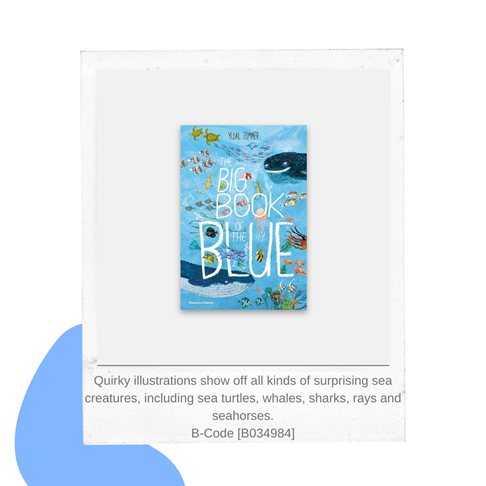
BIG BOOK OF THE BLUE
Why do octopuses have eight arms? Why do crabs run sideways? Are jellyfish made of jelly? Yuval Zommer’s beautiful new book provides the answers to these and many more questions. His wonderfully quirky illustrations show off all kinds of surprising sea creatures, including sea turtles, whales, sharks, rays and seahorses. Chatty, funny and full of amazing facts.
Search our website using B-Code: B034984 or click on the image.
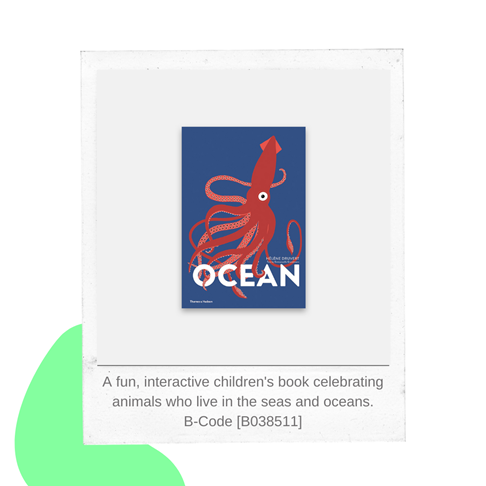
OCEAN (LIFT THE FLAP)
A fun, interactive children’s book celebrating animals who live in the seas and oceans. Made with dazzlingly engineered artwork using laser-cut and die-cut frieze methods, the lift-the-flap features uncover all sorts of weird and wonderful creatures, from shellfish to crustaceans, to coral reefs and giant squids. Helene Druvert is a renowned illustrator and textile designer, and author of other successful laser-cut books, Paris Up, Up and Away and Mary Poppins Up, Up and Away.
Search our website using B-Code: B038511 or click on the image.
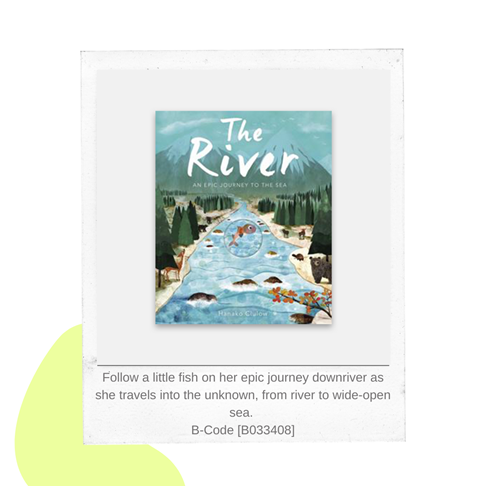
RIVER: AN EPIC JOURNEY TO THE SEA (PB)
Follow a little fish on her epic journey downriver as she travels into the unknown, from river to wide-open sea. With stunning artwork from Hanako Clulow, a lyrical narrative and a magical 'swimming fish' on every page, this is a book to treasure and revisit time and again.
Search our website using B-Code: B033408 or click on the image.
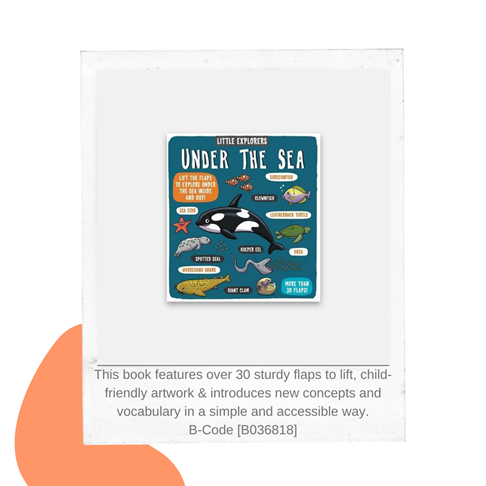
LITTLE EXPLORERS: UNDER THE SEA
This book features over 30 sturdy flaps to lift, along with charming, child-friendly artwork that introduces new concepts and vocabulary in a simple and accessible way.
Search our website using B-Code: B036818 or click on the image.
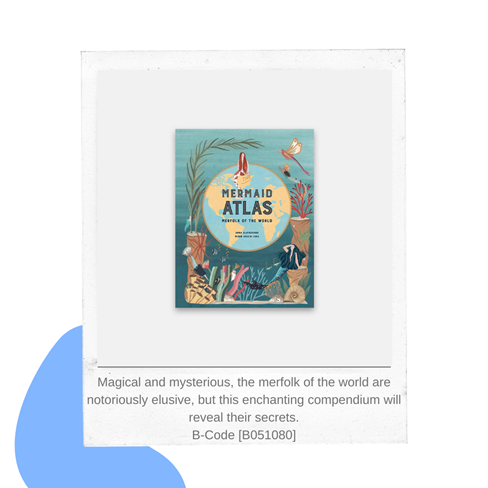
MERMAID ATLAS
Magical and mysterious, the merfolk of the world are notoriously elusive, but this enchanting compendium will reveal their secrets. Learn all about the beautiful Selkies of the Scottish seas, the wily Iara of Brazil who love to outwit travellers and the fearful Ningyo of Japan who can give you eternal life. This captivating book features a mix of mermaid facts and short retellings of some of the most enticing traditional merfolk tales.
Search our website using B-Code: B051080 or click on the image.
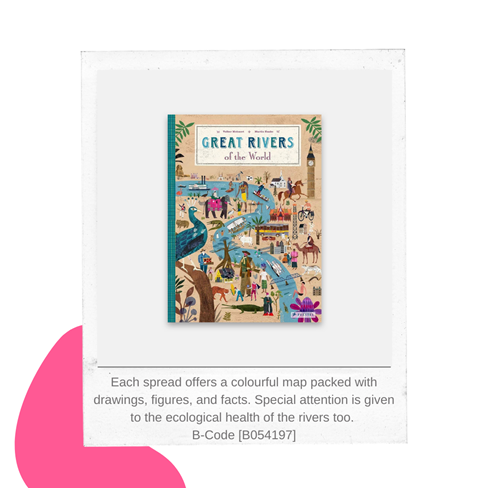
GREAT RIVERS OF THE WORLD
Where along the Rhine does the Nibelung Treasure lie? What river helps mark the prime meridian? Why is the Mekong called the 'Nine Dragon' river in Vietnam? How does the Mississippi divide and unite the United States? These and hundreds of other questions are explored in this wonderfully illustrated atlas of the world's great rivers. Each spread offers a colourful map packed with drawings, figures, and facts. Special attention is given to the ecological health of the rivers - those that are thriving and those in danger of losing their valuable habitats.
Search our website using B-Code: B054197 or click on the image.
For more ‘Children’s Nature, World & Wildlife’ books in our collection click here.
The Bookspeed Team